
with better shipping rate from China
- Competitive ocean freight and stable space
- Port to port Service
- Door to door service
- FOB Incoterm
- DDP Incoterm
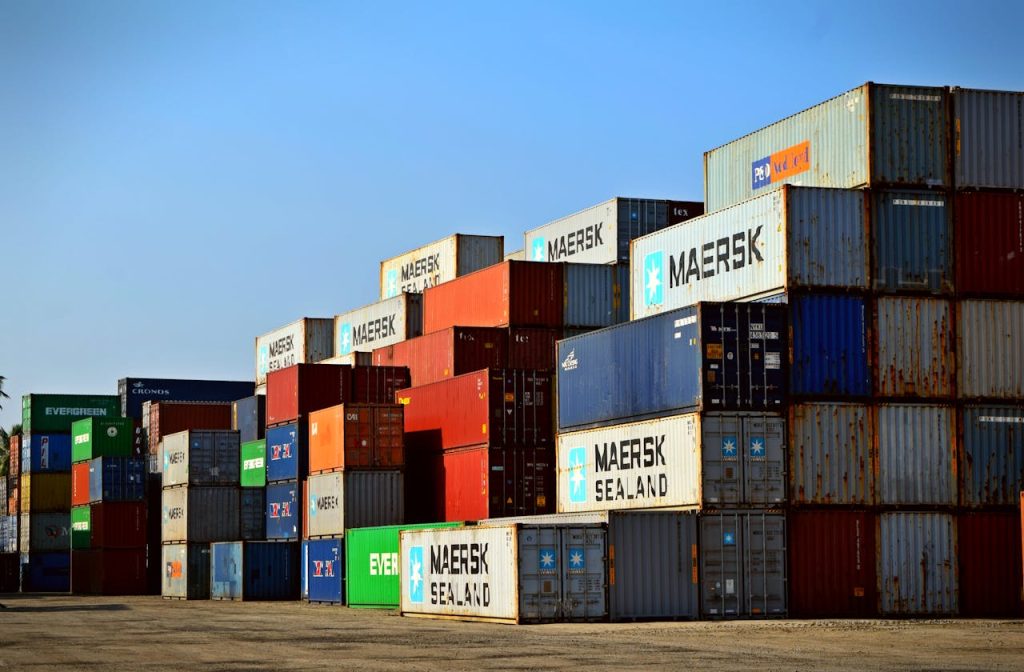
FCL is describe shipments that consist of a “full container load,” or a shipment that only has one consignee in a single container and is not being shared with other shippers. Standard container sizes are 20′ and 40′ containers; both sizes offer standard and high cube sizing.DiamondUp can provide you fcl Sea rates freight forwarder in China.
- Provide container packing guidelines based on the size and gross weight of your goods.
- Provide container loading supervision services.
- Provide door-to-door, door-to-port, port to port, and port to door services.
- Provide warehousing services
When your cargo is less than the loading capacity of the container and not enough to fill 20 feet or 40 feet of container space, you should choose LCL transportation. Your goods will be loaded in the same container as others’ goods, and the shipping costs will be shared proportionally. DiamondUp can provide LCL sea rates forwarder in China.
- Professional container mixing services.
- More competitive LCL sea freight prices
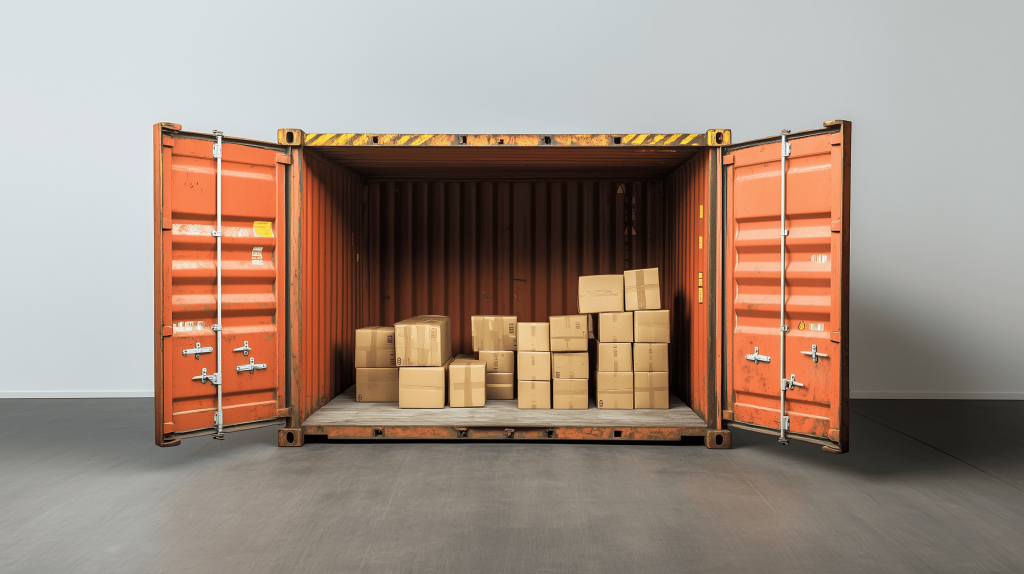
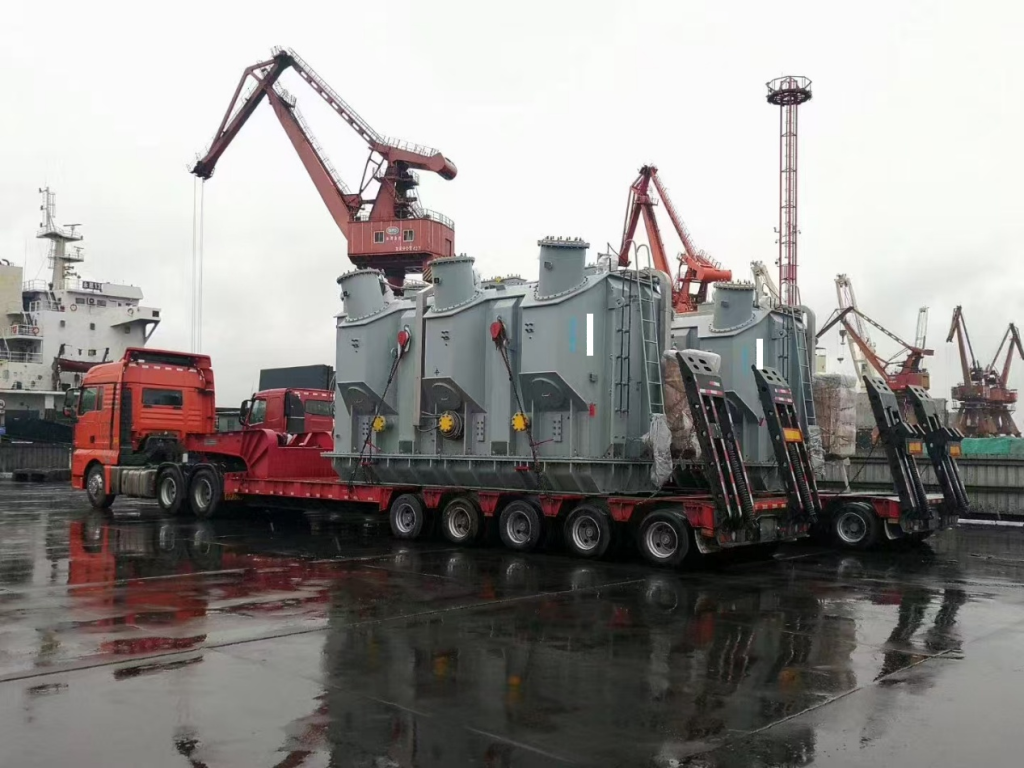
Non-regular goods (such as bulk raw materials, large equipment and machinery, construction materials, and vehicles) are suitable for project transportation by break bulk vessels. These goods do not need to be loaded into containers and can be transported cross-border using bulk carriers, which can significantly reduce transportation costs.
Especially suitable for bulk cargo transportation
Can accommodate a large volume of goods, improving transportation efficiency
Convenient loading and unloading, saving handling time
High flexibility, suitable for goods of various shapes and sizes
How much does sea freight cost from China?
Sea freight quotes from China are influenced by various factors, such as the shipping line, peak and off-peak seasons, container loading method, cargo volume, cargo weight, sea route, temporary surcharges, and other additional fees. These factors directly cause the final sea freight costs to vary to different degrees.
1.FCL or LCL?
- FCL (Full Container Load) is suitable for large-volume shipments, providing privacy and security for your goods. The entire container is exclusively used by the shipper, which can reduce the per-unit shipping cost for large quantities.
- LCL (Less than Container Load), on the other hand, consolidates your goods with other shipments to fill a container. LCL sea freight is relatively lower and is suitable for small-volume shipments, offering more flexible transportation options.
2.Shipping Line Type: Fast Ship or Regular Ship
The choice of shipping line and vessel type affects sea freight rates. Fast ships offer quicker transit times but come at higher costs, while regular ships take longer and are typically $700–$1,500 cheaper than fast ships.
3.Market Fluctuations
Freight rates are also affected by market supply and demand. Peak season rates are usually two to three times higher than off-season rates. Political and economic conditions can also significantly influence shipping costs.
4.Sea Route
The shipping route has a significant impact on freight rates. Longer routes result in higher shipping costs. For example, shipping from China to the United States is considerably cheaper than shipping to the United States.
5.Cargo Weight and Volume
Sea freight charges are calculated based on both the volume and total weight of the goods. For general cargo, charges are usually determined by the total volume. For lightweight, large-volume goods, the chargeable amount is typically calculated by multiplying the volume by a conversion factor. After calculating both volume-based and weight-based costs, the higher value will be applied as the sea freight charge.
6.Temporary Additional Fees
Temporary surcharges on sea waybills typically include war risk surcharges, peak season surcharges, general rate increases, currency adjustment charges, or emergency surcharges. When vessels must pass through conflict zones, specific fees may be applied. Similarly, shipping companies charge peak season surcharges during high-demand periods.
7.Other Additional Fees
Other surcharges may include overweight fees, special equipment fees, IMO surcharges, and mobile manifest system filing fees. These fees are relatively rare and generally apply to heavy cargo transported in non-standard containers or special maritime projects.