
Four common terms and what to confirm for each
FOB, EXW, CIF and DDP affect how the buyer and seller arrange transport and export/import formalities, and how costs and risks are allocated. The overview below helps you recognize each term, but the final answer still depends on the named place, the rules version and the terms agreed in your contract.
EXW
Seller's premisesThe seller normally makes the goods available at the agreed place, and the buyer arranges collection and onward transport. Confirm in advance who will actually handle the export formalities.
FOB
On board at port of shipmentFor ocean or inland waterway transport. The seller loads the goods on board the vessel nominated by the buyer; the buyer usually arranges the main ocean carriage and onward transport.
CIF
Freight and insuranceFor ocean or inland waterway transport. The seller pays the freight to the named destination port and arranges the insurance required by the rules; the point at which risk transfers is still determined by the rules.
DDP
Named place of destinationThe seller usually delivers the goods to the named destination and handles import clearance and the related duty obligations. Verify first whether the seller can actually carry out these formalities in the country of destination.
Incoterms® has several versions, and the rules require a named place or port. When signing a contract or confirming a quote, put the term, the named place and the rules version together and have both parties confirm them.
For container cargo, spell out the handover point
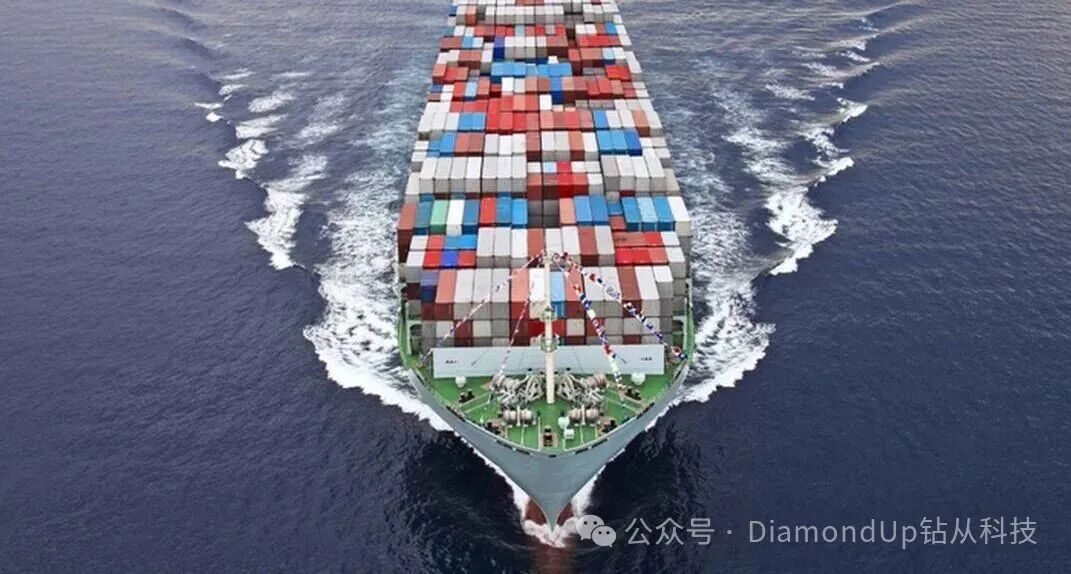
Container cargo is usually handed over to the carrier at a terminal or container yard first. Writing only "FOB" or "CIF" may not say where the parties actually hand over the goods, who makes the booking, or which party bears the charges from each stage. The ICC lists FOB and CIF as rules for ocean and inland waterway transport; when using them, take your actual delivery method and contract arrangement into account.


These two diagrams are the English-language Incoterms® 2020 illustrations. When you receive a forwarder's quote, write down item by item who arranges factory pickup, export declaration, booking, destination customs clearance and delivery.
Check these items together when you confirm a quote
A trade term alone is not a complete logistics cost sheet. After receiving a bill or quote, ask about the actual service arrangements as well - especially the following.
Put the responsibilities in writing so that later pickup, clearance and cost checks have a common basis. If you are still unsure which term to use, start with our guide to trade terms, then give the forwarder your cargo details and destination to confirm.