
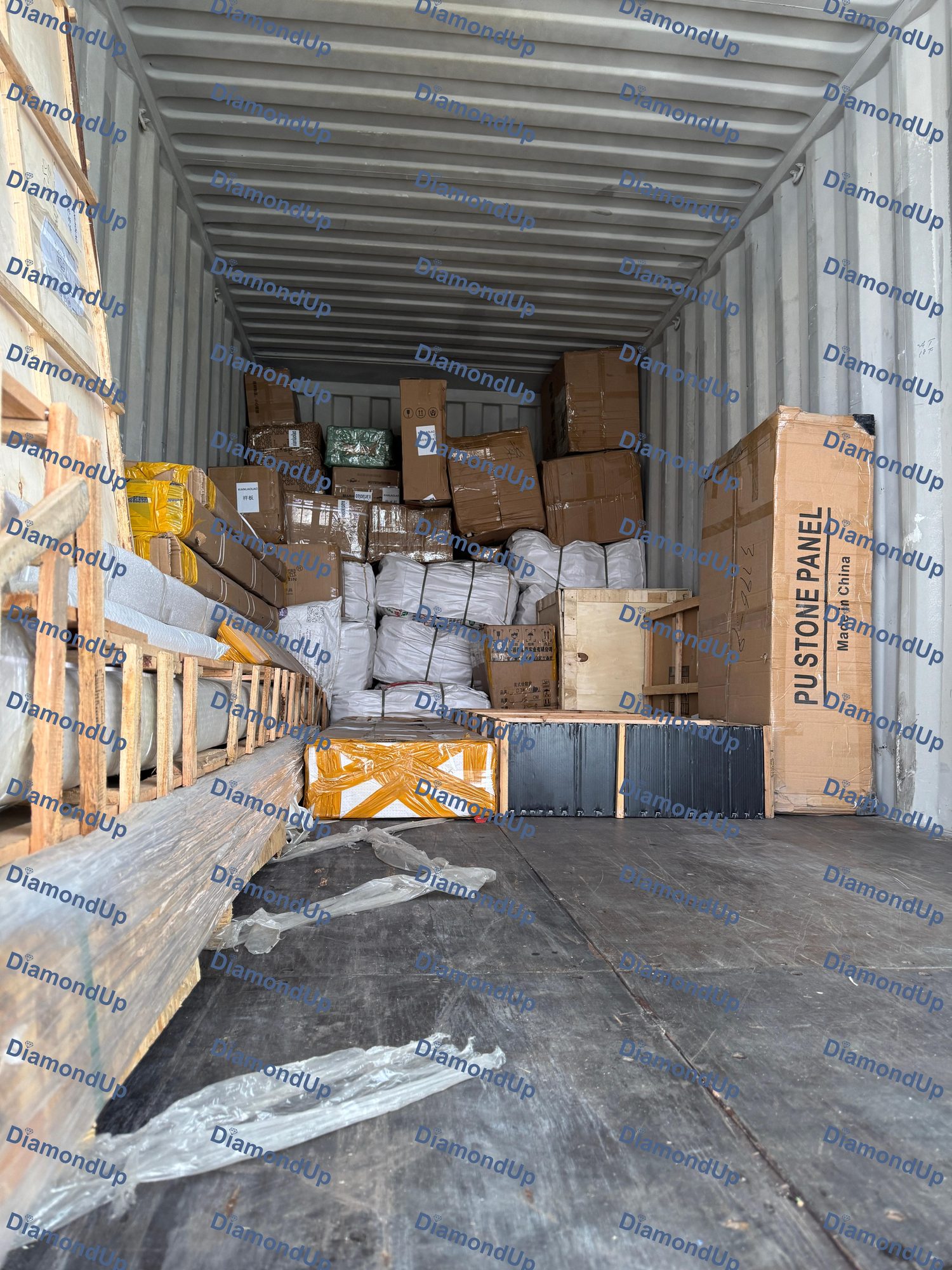
Break Canadian destination charges down by service step
Destination charges in Canada vary with the port, carrier, cargo volume, trade terms and service scope. When requesting a quote, ask which charges are already included in the ocean freight and which will be billed separately to the Canadian consignee, importer or local agent.
Terminal and handling charges
Confirm who bills it, the calculation unit and whether it appears on the quote.
Release and documentation fees
Ask about the carrier's release conditions, required documents and payment arrangements.
Customs clearance and taxes
Confirm how the importer and broker file the entry, and who calculates and pays duties and taxes.
Pickup and inland transport
Check the pickup terminal, delivery address, weight limits, appointment and unloading conditions.
Storage and over-time charges
Confirm free time, when charges start, who bills them and the last pickup time stated by the terminal or warehouse.
If the destination is an inland city such as Toronto, Edmonton, Calgary or Winnipeg, also confirm whether the rail or truck leg beyond the ocean port is included in the plan.
Confirm each item before arranging pickup and inland delivery
The release status, terminal arrangements and timing in the arrival notice may change. Before contacting a trucker or arranging warehouse receiving, have the Canadian importer, broker and transport provider align on the following.
For Canadian commercial imports, confirm the importer account and broker authority first
The Canada Border Services Agency's guide for commercial imports requires the importer to manage its commercial import account and declaration steps. If a broker is used, the importer must authorize that broker to act for the company in the CARM Client Portal. Tariff classification, customs value, country of origin, duties and taxes, and any required permits also need to be confirmed item by item against the goods.
Bonds and financial security under RPP in Canada
A Canadian bond should not be read as a clearance fee that every shipment must purchase. If the importer wants the goods released before duties and taxes are paid, it must enrol in the CARM Release Prior to Payment (RPP) program and provide financial security. Depending on CBSA requirements, the security may be arranged through a surety agreement (for example, a surety bond) or a cash deposit. The importer needs to handle the security in its own CARM account and maintain sufficient coverage. If RPP is not used, agree the release and duty-payment arrangements with the broker in advance. Ask the importer, broker and security provider to confirm the account, security type, amount and cost.
If the importer account, RPP security, tariff classification or permit requirements are still open, align with the Canadian consignee and broker before fixing the shipment and delivery plan. You can also start with the Canada Destination Guide, which covers CARM, ports, holidays and a pre-shipment checklist.